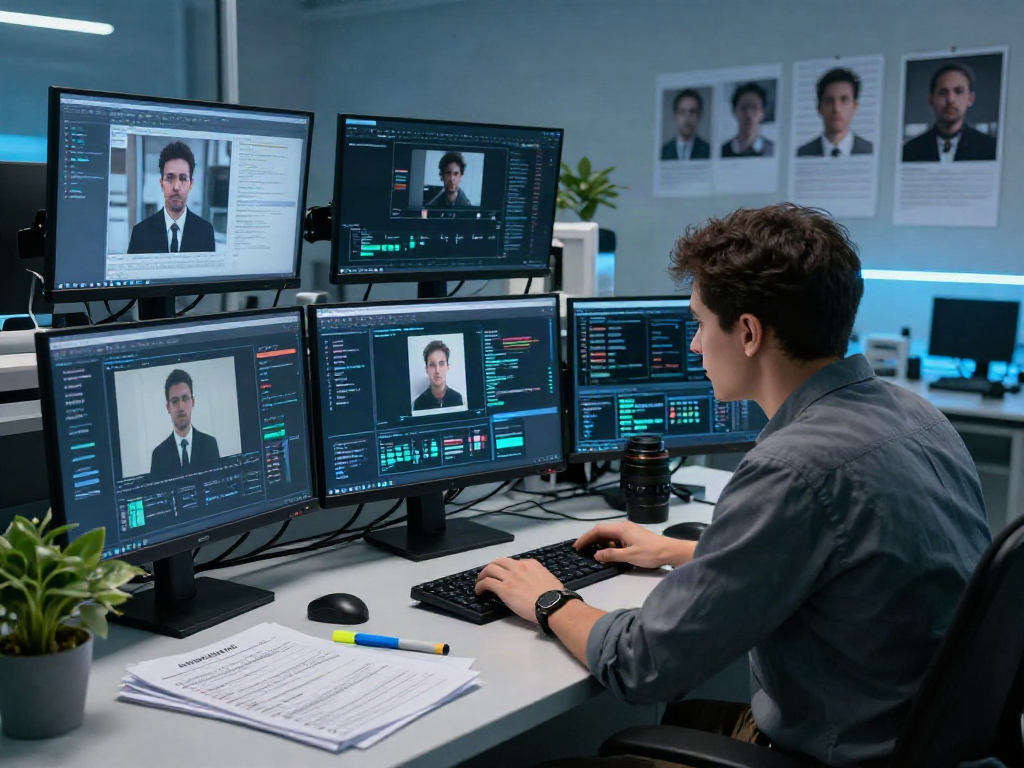
Understanding AI-Generated Image Detection
As the digital landscape evolves, the proliferation of AI-generated images is becoming increasingly prevalent. Whether used in marketing, entertainment, or social media, these images pose significant challenges concerning authenticity and credibility. AI-Generated Image Detection has emerged as a crucial tool in this landscape, ensuring that users and platforms can distinguish between authentic content and synthetic creations.
What is AI-Generated Image Detection?
AI-generated image detection involves the use of advanced algorithms and machine learning techniques to identify images created or manipulated by artificial intelligence. This technology is designed to analyze various features of an image, including pixel patterns, color distributions, and metadata, to determine its origin. The detection process is essential for validating visual content, particularly in fields where authenticity is paramount.
The Importance of Authenticity in Digital Media
With the rise of misinformation and synthetic media, maintaining authenticity in digital media has become critically important. The ability to verify whether an image is genuine or AI-generated helps protect users from manipulation and deception. This is particularly significant in journalism, advertising, and social networks, where the credibility of visual content can affect public perception and trust.
How AI-Generated Images are Created
AI-generated images are typically created using machine learning models such as Generative Adversarial Networks (GANs) or diffusion models. These models are trained on vast datasets of real images, enabling them to generate new visuals that can closely mimic human-created works. The process involves two neural networks: one generates the images, while the other evaluates their authenticity, leading to increasingly realistic outputs over time.
Common Challenges in Detecting AI-Generated Images
Understanding Detection Algorithms
Despite advancements in AI image detection, understanding the underlying algorithms remains a challenge. Many detection tools utilize deep learning techniques that analyze numerous features of images to identify signs of AI generation. However, as AI generation technology improves, detection models must continually adapt to maintain effectiveness, resulting in an ongoing arms race between generation and detection technologies.
Addressing Misconceptions about AI Images
There are many misconceptions regarding AI-generated images, including the belief that they are easily distinguishable from authentic images. In reality, as AI technology evolves, the lines between generated and real images become increasingly blurred. This fosters a false sense of security for users who may believe they can always identify manipulated content.
Technical Limitations of Current Detection Tools
Current detection tools face several technical limitations, including the inability to analyze context or content effectively. While algorithms can detect specific visual artifacts associated with AI-generated images, they can struggle with nuances like stylistic choices or thematic elements that may not align with typical AI outputs. Moreover, the reliance on large datasets for training can lead to bias, making tools less effective in recognizing certain types of generated images.
Best Practices for Using AI-Generated Image Detection Tools
Choosing the Right Detection Software
When selecting AI-generated image detection software, users should consider several factors, including accuracy, user interface, and integration capabilities. It's essential to choose a tool that aligns with the specific needs of your workflow, such as compatibility with other software or platforms that your organization uses.
Integrating Detection Tools into Your Workflow
Integration of detection tools into existing workflows can enhance the effectiveness of image verification processes. By embedding detection capabilities within content management systems or social media platforms, organizations can ensure that all images are automatically analyzed before publication, reducing the risk of unverified content being shared.
Regularly Updating Detection Protocols
Given the rapidly evolving nature of AI-generated content, it is vital to regularly update detection protocols. This includes staying informed about the latest developments in both AI generation and detection technologies. Organizations should engage in continuous learning and adaptation to ensure their detection methods remain relevant and effective.
Real-World Applications of AI-Generated Image Detection
Use Cases in Journalism and Media
In journalism, the ability to detect AI-generated images is crucial for maintaining credibility. News organizations rely on verified, authentic images to report stories accurately. Detection tools help journalists separate fact from fiction, enabling them to present reliable information to their audience.
Impact on Marketing and Branding
For marketing and branding, visual content plays a pivotal role in consumer engagement. With the rise of AI-generated images, brands must ensure that the visuals they use reflect authenticity and resonate with their audience. Detection tools can help marketers identify and eliminate misleading or manipulated images that could harm brand reputation.
Legal and Ethical Implications
The legal and ethical implications of using AI-generated images are profound. As these images can easily mislead consumers or distort reality, there are growing calls for transparency regarding their use. Businesses and platforms must navigate the complex landscape of copyright and ownership, ensuring they respect legal frameworks while protecting their consumers from deception.
The Future of AI-Generated Image Detection
Emerging Trends and Technologies for 2026
Looking ahead to 2026, several emerging trends in AI-generated image detection are likely to shape the landscape. Technologies leveraging enhanced machine learning capabilities, such as few-shot learning and multi-modal analysis, promise to improve detection rates and reduce false positives. Furthermore, the integration of blockchain for image provenance verification could offer a new layer of authenticity.
Predictions for AI Image Detection Effectiveness
As detection technologies advance, we can expect significant improvements in their effectiveness. Future models may utilize increasingly sophisticated algorithms capable of analyzing context beyond mere visual features, thus deepening the accuracy of detections. This evolution will be essential in addressing the ongoing challenge posed by ever-improving AI generation methods.
Recommendations for Staying Ahead in Digital Authenticity
To remain ahead in digital authenticity, organizations should invest in comprehensive training programs focused on AI-generated content. This will equip staff with the skills needed to navigate the complexities of synthetic media. Collaborating with technology providers to access cutting-edge detection tools will also be crucial in maintaining an edge over potential misinformation.
How do AI-generated images affect online trust?
AI-generated images can erode online trust, particularly when used maliciously to deceive audiences. The ability to create highly realistic visuals means that consumers must be more vigilant in discerning authenticity. This, in turn, places pressure on platforms and organizations to implement effective detection measures to protect their reputation and integrity.
What are the best tools for detecting AI-generated images?
Some of the best tools currently available include Sightengine, ZeroGPT, and WasItAI, which each provide unique features for analyzing images and determining their authenticity. Choosing the right tool will depend on the specific requirements of the user, such as integration capabilities and detection accuracy.
Can AI detect other AI-generated content beyond images?
Yes, AI can be trained to detect various forms of AI-generated content beyond images, including text and video. Tools designed for content detection often incorporate multi-modal capabilities, allowing them to analyze and verify various types of synthetic media.
What industries benefit most from AI-generated image detection?
Industries that benefit most from AI-generated image detection include journalism, social media, advertising, and e-commerce. Each of these sectors relies heavily on visual content, making the ability to verify authenticity paramount in maintaining credibility and trust among their audiences.
How can I educate others on the importance of image verification?
Educating others on the importance of image verification can be achieved through workshops, seminars, and informational resources. Encouraging discussions and providing real-world examples of manipulation can help raise awareness about the impact of AI-generated images and the necessity of using detection tools.