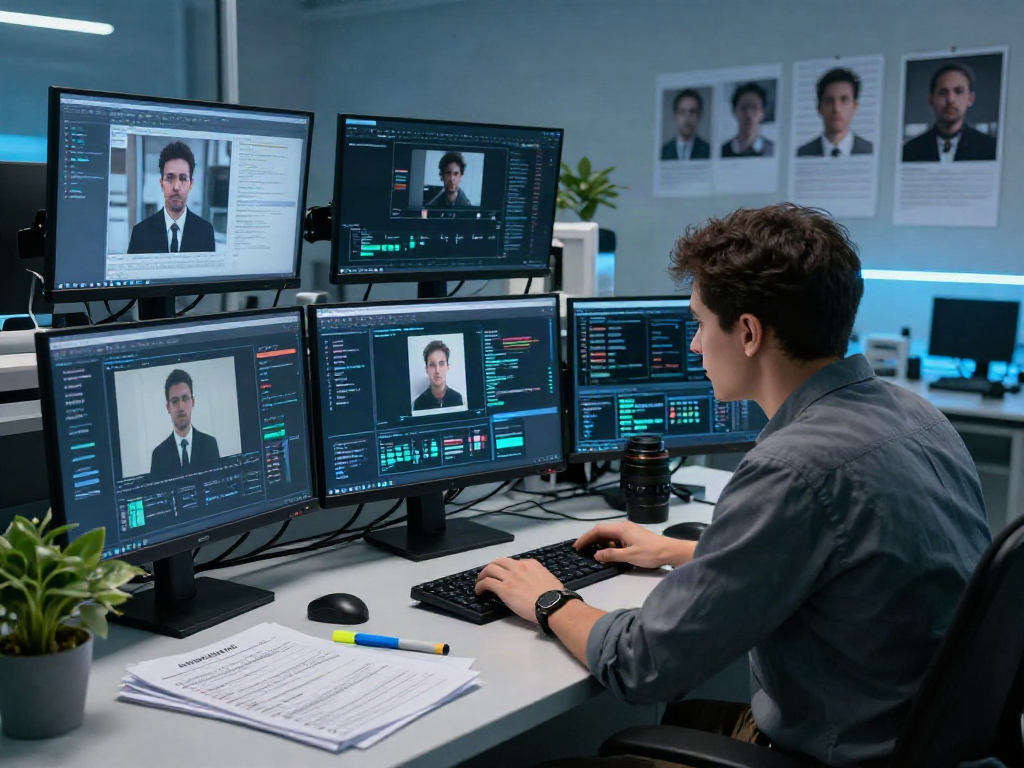
Understanding the Importance of Deepfake Protection in Online Meetings
In the digital age, where communication increasingly relies on visual mediums, the emergence of deepfake technology poses significant challenges, particularly in professional environments. Deepfakes—realistic but artificial video and audio recordings—have grown more sophisticated and widely accessible, creating a breeding ground for misuse. The potential for these technologies to disrupt traditional video communication systems necessitates robust solutions. To safeguard your organization against the evolving threats of deepfakes, investing in Deepfake protected Online Video Calls, Meetings and Conferencing services can serve as an essential first line of defense.
What are Deepfakes and Their Impact on Video Communication?
Deepfakes utilize artificial intelligence and machine learning algorithms to manipulate audiovisual content, making it appear as if someone said or did something they did not. This technology can have profound implications for video communication, as it undermines trust amid growing reliance on virtual meetings. In environments where confidentiality and authenticity are paramount, such as corporate meetings, legal consultations, and medical discussions, the risks associated with deepfakes can lead to misinformation, fraud, and reputational damage.
The Rising Threat of Deepfake Technology in Professional Settings
With the rapid advancements in AI technology, deepfakes have transitioned from a novelty to a potential weapon in the hands of malicious actors. Cybercriminals have begun exploiting deepfake tools to impersonate executives during critical decisions or to trick employees into revealing sensitive information. The sophistication of these fakes means that conventional detection methods often fall short, necessitating more advanced solutions specifically designed for the modern workplace.
Key Statistics on Deepfake Incidents in 2026
- According to recent studies, over 30% of businesses have reported encountering deepfake technology in some capacity by 2026.
- Deepfake-related scams have resulted in losses exceeding $500 million in the last two years alone.
- A staggering 70% of IT professionals believe that deepfakes will pose a significant threat to organizations within the next year.
Identifying Deepfake Risks in Video Calls
Common Signs of Deepfake Videos During Meetings
Recognizing deepfakes during video calls can often be challenging, but there are several indicators to watch for:
- Facial Inconsistencies: Signs of unnatural facial movement or blurring at the edges where digital manipulation may have occurred.
- Auditory Anomalies: Mismatched audio and visual cues can indicate a deepfake; pay attention to voice changes or odd speech patterns.
- Unusual Behavior: Watch for participants who do not seem to react appropriately to discussion topics or whose emotions do not match their speech.
Case Studies: Real-World Deepfake Scenarios
Several notable cases have highlighted the consequences of deepfake technology:
- A deepfake audio of a CEO was used to authorize a fraudulent wire transfer, resulting in a loss of millions for an international firm.
- In another instance, a deepfake video was used to manipulate election candidates’ speeches, altering public perception during critical moments.
How to Enhance Awareness Among Team Members
Promoting awareness about deepfake risks within an organization is crucial. Conduct training sessions that cover:
- Identifying deepfakes and understanding their implications.
- Proper protocols for verifying identity during video calls.
- Encouraging a culture of skepticism where employees are motivated to double-check information.
Best Practices for Securing Online Meetings
Essential Tools for Deepfake Detection and Prevention
Employing the right tools can significantly enhance the security of online meetings. Consider tools that offer:
- Real-time deepfake detection algorithms.
- Multi-factor authentication for added verification during logins.
- Encryption for secure communication.
Implementing Multi-Factor Authentication in Video Calls
Multi-factor authentication (MFA) can significantly reduce the risk of unauthorized access during video calls. Implementing MFA requires users to provide multiple forms of verification, such as a password along with a one-time code sent to their mobile device. This extra step can protect sensitive meetings from being compromised.
Training Employees on Deepfake Recognition Techniques
Regular training sessions focused on deepfake recognition can empower employees to spot fakes and report suspicious activity. These sessions should cover:
- Practical methods for assessing video authenticity.
- Case studies of successful deepfake detection.
- Creating a checklist for identifying deepfake traits in video calls.
Technological Innovations in Deepfake Protection
Emerging Technologies for Secure Online Video Conferencing
As the threat landscape evolves, so do the technologies designed to combat it. Notable innovations include:
- AI-driven deepfake detection tools that analyze videos for signs of manipulation.
- Blockchain technology to verify the authenticity of participant identities in virtual meetings.
- Advanced biometrics for real-time identity verification.
How AI is Transforming Deepfake Detection
Artificial Intelligence plays a crucial role in identifying and neutralizing deepfake threats. Machine learning algorithms can be trained to detect even the subtlest discrepancies in videos, enabling organizations to maintain secure communication in their virtual environments.
Partnerships and Collaborations in the Security Space
Collaborations between tech companies, cybersecurity firms, and academic institutions are paramount in developing comprehensive solutions against deepfake technology. These partnerships can drive innovation and ensure that the latest deterrents and detection methodologies reach businesses quickly.
Future of Deepfake Protection in Online Communication
Trends to Watch in 2026 and Beyond
Looking ahead, several trends are expected to shape the landscape of deepfake protection:
- Increased regulation surrounding deepfake technology, focusing on accountability and transparency.
- A greater emphasis on secure video conferencing platforms equipped with built-in deepfake detection capabilities.
- The growth of user education initiatives aimed at promoting digital literacy and awareness of deepfake technology.
Preparing for Evolving Deepfake Threats
Organizations must remain proactive in their approach to combating deepfakes. Regular assessments of security protocols, employee training, and investment in advanced technologies will be key to safeguarding sensitive communications as deepfake technology continues to evolve.
Expert Predictions for Workplace Communications
Industry experts predict that the future of workplace communications will rely heavily on the adoption of technologies that can authenticate identities and ensure content integrity. A hybrid approach that combines AI detection capabilities with human vigilance will likely emerge as the most effective strategy for maintaining secure communications in an increasingly digital world.
What are the best practices for conducting secure online meetings?
Effective practices include utilizing encrypted communication platforms, implementing multi-factor authentication, training staff on recognizing deepfakes, and conducting regular security audits of technology used in online meetings.
How can I detect deepfake videos during a video call?
Look for facial inconsistencies, auditory anomalies, and unusual behavior. Utilize deepfake detection software to scrutinize participants further.
What technologies are essential for deepfake detection?
Key technologies include AI algorithms for real-time analysis, multi-factor authentication, and blockchain for verifying identities.
Are there legal implications for using deepfake technology in business?
Yes, the use of deepfake technology can lead to significant legal consequences, including fraud charges and breaches of privacy laws.
What resources are available to train employees on deepfake awareness?
Organizations can leverage online training modules, hands-on workshops, and information sessions led by cybersecurity professionals to enhance employees' understanding of deepfake risks and detection.