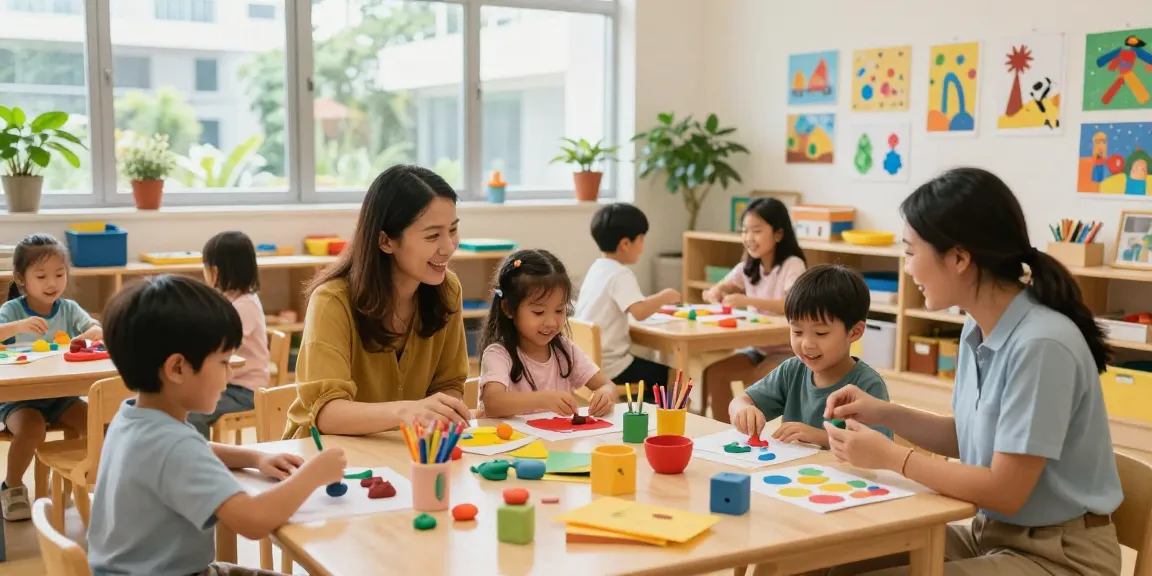
Understanding the Reggio Emilia Approach to Preschool Education
The Reggio Emilia approach represents a transformative philosophy in early childhood education, advocating for a child-centered method that celebrates the innate curiosity of children. In the heart of Singapore, Reggio Emilia Preschool Singapore serves as a compelling example of this educational philosophy, fostering lifelong learning through exploration and discovery. This approach originated in the town of Reggio Emilia in Northern Italy and has gained worldwide recognition for its emphasis on experiential learning and community involvement.
What is the Reggio Emilia Philosophy?
The Reggio Emilia philosophy is rooted in the belief that children are capable and competent learners. It emphasizes the importance of a supportive environment and the role of educators as facilitators of learning rather than mere instructors. Central to this approach is the concept of children as active participants in their own education, where collaboration and communication play vital roles in the learning process.
Core Principles of the Approach
- Child-Centered Learning: Focuses on children’s interests and questions, driving their engagement with the curriculum.
- Collaboration: Encourages cooperative learning experiences among children, fostering social skills and teamwork.
- Documentation: Involves recording children’s activities and conversations to provide insight into their learning processes and development.
- Environment as the Third Teacher: Utilizes classroom design, materials, and outdoor spaces to enhance learning experiences.
Benefits of Reggio Emilia for Early Learners
The Reggio Emilia approach offers numerous benefits for young learners, including:
- Enhanced Creativity: The emphasis on exploration and self-expression nurtures creativity in children.
- Critical Thinking Skills: Inquiry-based learning encourages children to ask questions, analyze information, and develop problem-solving skills.
- Social Development: Collaboration in group projects helps children develop social skills and emotional intelligence.
Implementing Inquiry-Based Learning in the Classroom
Inquiry-based learning is a hallmark of the Reggio Emilia approach, promoting curiosity and active engagement among preschoolers. Implementing this method requires intentional strategies that harness children's natural instincts to explore.
How to Foster Curiosity and Exploration
Teachers can foster curiosity by presenting open-ended questions and challenges that invite children to explore various topics. For example, a simple question like “What do you think happens to leaves in winter?” can lead to discussions, experiments, and creative projects that delve into nature and seasons.
Creating a Stimulating Learning Environment
A stimulating environment is crucial for inquiry-based learning. Classrooms should be organized into learning centers that promote different types of exploration—art, science, literacy, and outdoor play. Materials should be accessible and varied to encourage self-directed learning.
Utilizing Natural Materials for Hands-On Activities
Incorporating natural materials into the classroom—such as leaves, stones, and plants—offers children opportunities for multi-sensory exploration and connection to the natural world. These materials can inspire creativity and provide various learning experiences across subjects.
Engaging Parents in the Learning Process
Parental involvement is a cornerstone of the Reggio Emilia approach, which fosters a collaborative learning atmosphere between home and preschool. Engaging parents not only enhances their children’s educational experiences but also strengthens the community.
The Importance of Parental Involvement
Research indicates that children whose parents are actively involved in their education are more likely to succeed academically and socially. Regular communication between educators and parents establishes a partnership that supports children’s learning.
Effective Communication Strategies
Effective communication involves sharing updates about classroom activities, children’s progress, and upcoming events. Utilizing newsletters, emails, and parent-teacher meetings helps keep families informed and engaged in their child’s learning journey.
Creating Family Learning Events
Organizing family learning events, such as workshops, open houses, and community celebrations, invites parents to participate in the educational process actively. These events can also strengthen relationships among families and enhance the sense of community within the preschool.
Building Community and Cultural Awareness
In a diverse society like Singapore, promoting cultural awareness and community involvement is vital. The Reggio Emilia approach naturally integrates these elements, facilitating a rich learning environment for students.
Encouraging Diversity in the Classroom
Classrooms should reflect the diversity of the community, incorporating different cultures, languages, and perspectives into the curriculum. This exposure helps children develop respect and appreciation for different backgrounds and experiences.
Integrating Local Cultures and Traditions
Incorporating local cultural practices and traditions into learning activities enriches the curriculum and fosters a sense of identity among children. For instance, celebrating local festivals can provide hands-on learning experiences about cultural significance and community involvement.
Celebrating International Experiences
As an international preschool, embracing multiculturalism allows children to engage with global perspectives. Educators can showcase stories, crafts, and traditions from various countries, facilitating discussions that broaden worldviews.
Measuring Success in a Reggio Emilia Preschool
Evaluating the effectiveness of a Reggio Emilia preschool involves assessing children’s holistic development rather than focusing solely on academic achievement. A variety of assessment techniques should be employed to capture the full spectrum of growth.
Key Performance Indicators for Holistic Development
When measuring success, educators should consider a range of indicators, including emotional, social, cognitive, and physical development. Observations of children's interactions, creative expressions, and problem-solving abilities provide valuable insights into their progress.
Applying Observational Assessment Techniques
Observational assessments allow educators to document children’s learning experiences and behaviors in natural settings. This approach emphasizes the process of learning rather than just the final outcomes, offering a more comprehensive understanding of each child's development.
Future Trends in Early Childhood Education by 2026
As we look toward the future of early childhood education, the emphasis will likely shift to personalized learning, leveraging technology to enhance educational experiences. Furthermore, there will be a continued focus on social-emotional learning, ensuring that children develop key interpersonal skills necessary for lifelong success.
What is the Reggio Emilia approach?
The Reggio Emilia approach is an educational philosophy centered on the belief that children are curious, capable learners who should be actively involved in their learning processes. It emphasizes collaboration, community, and the importance of the environment in education.
How can parents get involved in preschool activities?
Parents can get involved by attending school events, volunteering in the classroom, and maintaining open communication with teachers. Engaging in family learning events and discussing children's experiences can enhance their educational journeys.
What are some common challenges in Reggio Emilia preschools?
Some common challenges include balancing individual learning styles with group dynamics, integrating diverse learning resources, and ensuring effective communication among parents, educators, and the broader community.
How to evaluate the effectiveness of preschool programs?
Evaluating preschool programs involves assessing both qualitative and quantitative data, including observational assessments, parent feedback, and developmental milestones to ensure a comprehensive understanding of children’s growth.
What resources are available for educators in Singapore?
Singapore offers various resources for educators, including professional development workshops, educational conferences, and collaboration networks that provide tools and strategies for implementing the Reggio Emilia approach effectively.