Understanding Aerospace CNC Machining
CNC (Computer Numerical Control) machining has become an indispensable technology in the aerospace industry. As one of the leading aerospace CNC parts manufacturers, Honscn has harnessed this technology since 2003 to deliver precision-engineered components tailored to the exacting standards of aerospace applications. This article delves into the intricacies of CNC machining within the aerospace sector, illuminating its significance, benefits, and the role it plays in shaping the future of air travel.
What is CNC Machining in Aerospace?
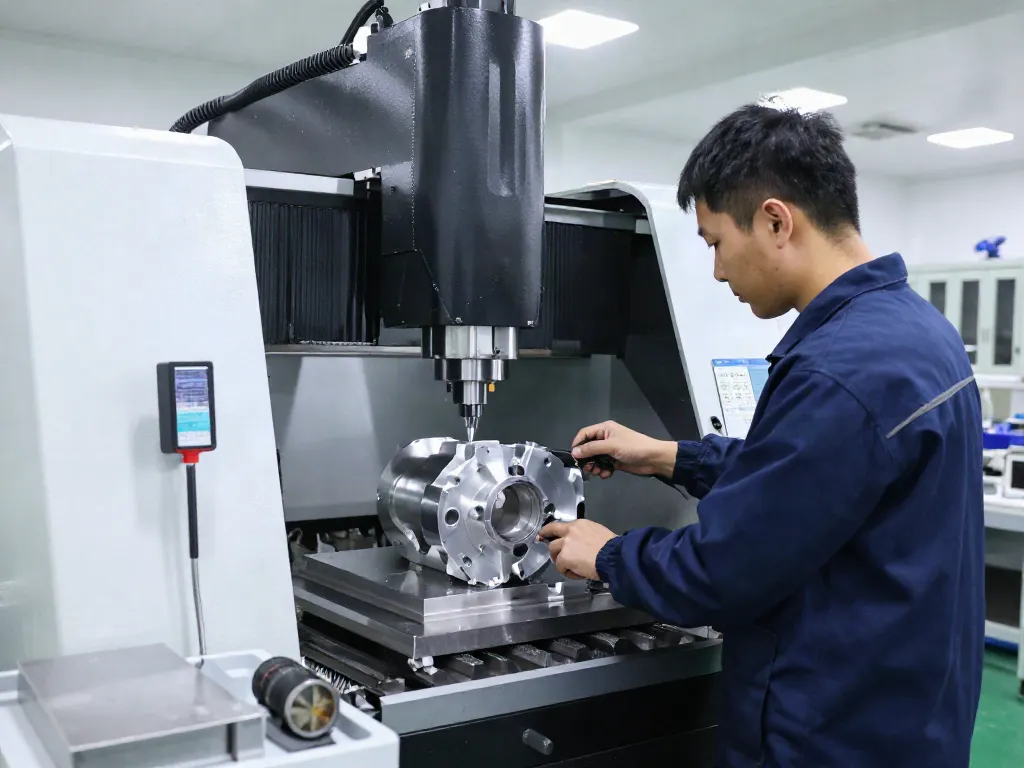
CNC machining refers to the process of creating precise parts through computer-controlled machines. In aerospace manufacturing, CNC machines produce components like engine housings, landing gear, and structural parts. The automation involved in CNC machining ensures high quality and repeatability, essential for products where safety and performance are paramount.
Key Benefits of CNC Machining for Aerospace Parts
- Precision: CNC machines can achieve tolerances as tight as ±0.001 inches, ensuring parts fit perfectly in assembly.
- Consistency: Automated processes minimize human error, resulting in uniformity across production runs.
- Material Efficiency: CNC machining minimizes waste, allowing manufacturers to optimize material use.
- Flexibility: Rapid adjustments to designs can be made, accommodating project changes without significant downtime.
Common Applications in Aerospace Manufacturing
From small prototype parts to large assemblies, CNC machining plays a critical role in various aerospace applications. Common areas of use include:
- Structural Components: Parts designed to withstand the rigors of flight operations.
- Engine Components: Machined parts that must endure extreme temperatures and pressures.
- Interior Components: Parts that enhance passenger comfort while ensuring safety.
Choosing the Right Materials for Aerospace Parts
The selection of materials is a critical aspect of aerospace manufacturing. Engineers must consider weight, strength, and environmental resistance to ensure the performance of the components. Honscn works extensively with leading aerospace cnc parts manufacturers to curate a material selection that meets these requirements.
Overview of Metal Materials Used in Aerospace Manufacturing
Metal materials commonly used in aerospace applications include:
- Aluminum: Lightweight and resistant to corrosion, aluminum alloys are extensively used in aircraft structures.
- Titanium: Known for its high strength-to-weight ratio, titanium is preferred in critical components.
- Steel Alloys: Used for parts requiring enhanced toughness under high-stress conditions.
Most Common Plastic Materials for Aerospace Applications
Plastics play a significant role in aerospace as well. Here are a few commonly used materials:
- Polypropylene (PP): Lightweight and impact-resistant.
- Polycarbonate (PC): Known for its clarity and strength, ideal for cockpit windows.
- Polyetheretherketone (PEEK): High-performance thermoplastic with excellent thermal and chemical resistance.
Factors to Consider When Selecting Materials
When choosing materials for aerospace components, several factors must be taken into account:
- Weight: Lightweight materials contribute to overall fuel efficiency.
- Strength: Materials must withstand extreme forces during flight.
- Corrosion Resistance: Ability to resist degradation in varied environmental conditions.
Precision Standards in Aerospace CNC Machining
In aerospace manufacturing, where even minor defects can lead to catastrophic failures, adhering to stringent precision standards is essential. This section explores the importance of tolerance and quality control in CNC machining.
The Importance of Tolerance and Quality Control
Tolerances in aerospace CNC machining define the allowable variations in part dimensions. High precision is crucial as it affects the assembly and functionality of components. Manufacturers implement rigorous quality control processes to ensure compliance with these tolerances throughout the production cycle.
Industry Standards for Aerospace Parts Manufacturing
Compliance with industry standards such as AS9100 and ISO 9001:2015 is mandatory for aerospace manufacturers. These standards ensure that organizations consistently meet customer and regulatory requirements, enhancing product reliability and safety.
Certification Processes for Aerospace Components
Certifications, such as those provided by the FAA or EASA, validate that aerospace components meet the requisite safety specifications. Achieving these certifications requires thorough documentation and testing of the manufacturing processes and materials used.
Rapid Prototyping and Mass Production Techniques
Rapid prototyping techniques offer a strategic advantage in aerospace by enabling quick design iterations and testing, which is vital in today’s fast-paced market.
Overview of Rapid Prototyping for Aerospace Prototypes
Rapid prototyping utilizes advanced technologies such as 3D printing and CNC machining to create functional prototypes swiftly. This approach allows engineers to test designs in real-world scenarios before committing to full-scale production.
Transitioning from Prototype to Mass Production
Once a prototype has been tested and refined, transitioning to mass production involves scaling up manufacturing processes while maintaining quality and precision. Efficient planning and resource allocation are critical during this phase.
Effective Strategies for On-Demand Production
On-demand production is essential for meeting customer needs without incurring excess inventory. Strategies include leveraging flexible manufacturing systems and adopting just-in-time (JIT) principles to optimize production efficiency.
Future Trends in Aerospace CNC Machining
The aerospace industry is undergoing rapid transformation, driven by technological advancements and changing consumer demands. This section examines future trends that are likely to shape aerospace CNC machining.
Technological Advancements Shaping Aerospace Manufacturing
Emerging technologies such as artificial intelligence (AI), machine learning, and advanced robotics are beginning to play pivotal roles in CNC machining. These technologies enhance efficiency, reduce costs, and improve precision throughout the manufacturing process.
Emerging Materials and Their Impact on Production
Research into new materials, such as advanced composites and high-temperature alloys, is expected to revolutionize aerospace components. These materials offer enhanced performance characteristics, paving the way for innovations in aircraft design.
Predictions for the Aerospace Industry in 2026
By 2026, the aerospace industry is expected to see significant growth, driven by increasing demand for air travel and advancements in manufacturing technology. The integration of sustainable practices and materials will also likely be at the forefront of the industry’s evolution.
What are the leading aerospace CNC parts manufacturers?
Identifying top manufacturers in the aerospace CNC parts space is essential for quality assurance and supply chain efficiency. Companies with a proven track record, such as Honscn, often lead the industry through innovation and quality standards.
How do I choose a CNC machining supplier for aerospace parts?
Selecting a supplier involves evaluating their expertise, certifications, equipment capabilities, and past performance. A reliable partner should demonstrate a commitment to quality and be able to meet stringent aerospace standards.
What materials are best for aerospace CNC manufacturing?
The best materials for aerospace CNC manufacturing depend on the application. Factors like weight, strength, and environmental stability guide engineers in material selection for specific components.
What standards must aerospace parts comply with?
Aerospace parts must comply with various industry standards, such as AS9100, to ensure safety and performance. Companies must undergo regular audits and assessments to maintain their certifications.
What are the benefits of rapid prototyping in aerospace?
Rapid prototyping enables faster design validation, reduces development time, and allows for cost-effective testing of new concepts, making it invaluable in the highly competitive aerospace market.