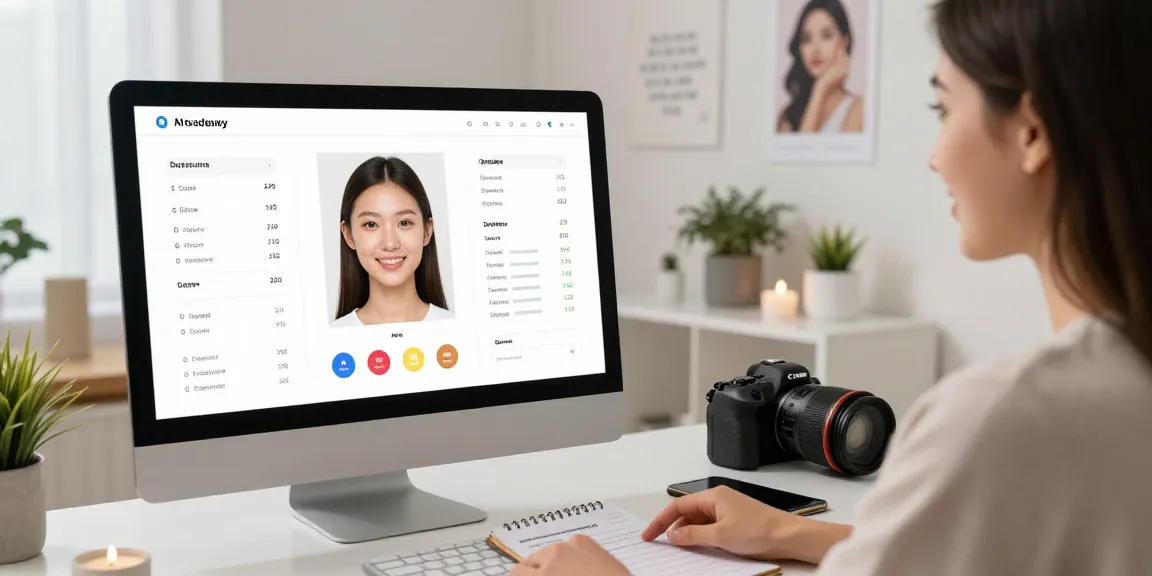
Understanding Facial Age Estimation Technology
In an age where technology intersects with personal perception, facial age estimation tools are gaining popularity, allowing individuals to explore a virtual reflection of their biological age. These tools utilize advanced algorithms and artificial intelligence (AI) to analyze facial features and provide an estimated age that can sometimes differ greatly from a person's actual age. This article delves into the mechanisms of age estimation technology and its implications for users, including how to effectively utilize these tools and what to expect from them. If you’ve ever wondered how old do I look, read on to discover the fascinating intricacies behind these age guesser technologies.
What is Facial Age Estimation?
Facial age estimation refers to the process of determining an individual's perceived age based on the analysis of facial features, such as skin texture, wrinkles, fine lines, and overall facial structure. This technology harnesses computer vision and machine learning techniques to make calculations that consider age-related changes in appearance. By inputting a photo into these systems, users receive an estimated age that reflects their facial characteristics.
How Does AI Analyze Your Age?
The underlying technology of facial age estimation primarily involves AI and deep learning. These systems are trained on extensive datasets of human faces across a wide range of ages. The AI learns to identify patterns in the data, including common signs of aging, such as:
- Wrinkles and fine lines
- Skin elasticity
- Facial structure changes
- Color variations in skin tone
When a user uploads a photo, the AI evaluates these parameters and compares them against its learned knowledge to predict an age. This process can occur in seconds, making it an accessible and engaging tool for self-exploration and social interactions.
Limitations and Accuracy of Age Estimation Tools
While facial age estimation tools can be fun and engaging, they are not without limitations. The accuracy of these tools can be influenced by several factors, including:
- Quality of the photo: Poor lighting or low resolution can lead to inaccurate age predictions.
- Diversity of training data: If the AI is not trained on a diverse range of individuals, it may perform poorly with certain demographic groups.
- Subjectivity of aging: Perceptions of age can vary culturally and individually, making a one-size-fits-all approach challenging.
Users should approach these estimates with a healthy dose of skepticism and understand that they are primarily for entertainment rather than definitive assessments of age.
How to Use "How Old Do I Look" Tools Effectively?
Using facial age estimation tools effectively requires a clear understanding of how to optimize your inputs for the best results. Here’s a step-by-step guide along with actionable tips to help you get the most accurate estimate possible.
Step-by-Step Guide to Uploading Your Photo
- Select a Reliable Tool: Choose a credible facial age estimator that offers AI technology for accuracy.
- Upload Your Photo: Most platforms allow you to either upload an existing image or take a new one using your device’s camera.
- Follow Instructions: Ensure you adhere to any specific guidelines laid out by the platform regarding photo requirements.
- Receive Your Estimate: After processing, review the estimated age provided by the tool.
Tips for Best Results: Lighting and Angles
To enhance the accuracy of age estimation, consider these tips while taking or selecting your photo:
- Natural Lighting: Use natural light when possible, as it highlights facial features more evenly.
- Avoid Excessive Makeup: Cosmetics can alter the appearance of your skin and features, skewing results.
- Face the Camera Directly: A straight-on view usually provides the best angle for analysis.
Taking the time to prepare your photo thoughtfully can lead to more satisfying and accurate results.
Common Mistakes to Avoid During Analysis
While using these tools, it's important to avoid common pitfalls that could lead to misleading results:
- Using Blurry Images: Ensure your photo is clear and high-resolution.
- Overusing Filters: Excessive photo editing can obscure true facial features.
- Neglecting Background: A busy or distracting background can impact the AI’s ability to focus on your face.
By avoiding these mistakes, you can help ensure a more accurate assessment of how old you actually look.
Comparing Popular Age Estimation Platforms
As the demand for facial age estimation tools grows, several platforms have emerged, each offering unique features. Below, we compare some of the most popular age estimation services to help you choose the right one.
Feature Breakdown of Leading Apps and Websites
Here’s a snapshot of notable age estimation tools:
- FaceAge.ai: AI-powered tool that provides age estimates based on uploaded photos. Known for its secure and privacy-focused approach.
- Fotor: A free online age guesser that analyzes skin and delivers quick results without the need for signup.
- BeautyPlus: Offers a fun and smart age-detection tool, focusing on user experience and accuracy.
Privacy and Data Security: What You Should Know
In a digital era, privacy is paramount, especially when sharing personal images. Most reputable age estimation tools implement strict privacy policies, but users should still:
- Read Privacy Policies: Understand how your data will be used and stored.
- Avoid Sensitive Images: Do not upload photos containing identifying details or sensitive information.
- Use Temporary Options: Opt for platforms that don't require permanent accounts or email for usage.
User Reviews: What to Expect from Each Tool
User feedback can provide invaluable insights into the effectiveness of different platforms. Key points to consider include:
- Accuracy: Reviews may highlight the reliability of age estimates.
- User Interface: Ease of use and navigation are essential for a satisfactory user experience.
- Speed: How quickly the tool processes images can significantly affect user satisfaction.
Exploring the Psychological Impact of Age Perception
Beyond mere curiosity, the results from age estimation tools can carry psychological implications. Understanding these effects can help users navigate their experiences more effectively.
How Age Estimation Influences Self-Image
Receiving a digital age estimation can evoke various emotions. For some, a younger age estimate may boost self-esteem, while an older estimate could lead to self-doubt or anxiety. It's important to remember that these tools reflect perceptions and are not definitive truths about one's worth or vitality.
Public Perception: Do Looks Impact Opportunities?
Research shows that perceptions of age can significantly affect social interactions and opportunities in both professional and personal settings. Individuals perceived as younger may be viewed as more energetic and capable, while those appearing older might face biases. Understanding these dynamics plays a critical role in navigating personal and professional life.
Case Studies: Transformations After Using Age Estimation Tools
Several anecdotal examples illustrate how individuals have reacted to their age estimations:
- Confidence Boost: Users who received a younger estimation reported feeling more confident in social encounters.
- Increased Self-Care: On the flip side, some individuals inspired to engage in healthier routines after perceiving themselves as older than expected.
These transformations highlight the broader consequences of age perception and its psychological implications.
Future of Facial Recognition and Age Estimation by 2026
As we look to the future, advancements in AI and facial recognition are likely to shape the landscape of age estimation technologies even further. Emerging trends promise exciting developments that could change the way we interact with these tools.
Emerging Trends in AI and Deep Learning
The integration of more sophisticated algorithms and larger datasets will likely improve the accuracy of facial age estimation tools. Future models may incorporate features like:
- 3D Facial Mapping: Enhancing the precision of age analysis by capturing more data points.
- Emotion Recognition: Providing context by analyzing the emotional expressions present in the uploaded images.
Predictive Elements: What’s Next for User Engagement?
Future developments could lead to personalized user experiences, allowing for real-time feedback and tailored recommendations on skincare and wellness, based on individual age estimates.
Ethical Considerations and Regulations on Facial Recognition
As age estimation technology becomes more integrated into our lives, ethical questions arise regarding data use and privacy rights. Regulations may become necessary to ensure the responsible use of facial recognition technology, prioritizing user consent and data security as paramount considerations.