Understanding Copper Peptide GHK-Cu
Copper peptide GHK-Cu has emerged as a revolutionary ingredient in the skincare industry, captivating the attention of dermatologists and beauty enthusiasts alike. Known for its potent regenerative properties, this naturally occurring copper peptide complex plays a crucial role in skin health, particularly in the realms of anti-aging and wound healing. As consumers become more knowledgeable about skincare ingredients, GHK-Cu stands out as a scientifically-backed option that promises real results. When exploring options, copper peptide GHK-Cu provides comprehensive insights into its benefits and usage.
What is Copper Peptide GHK-Cu?
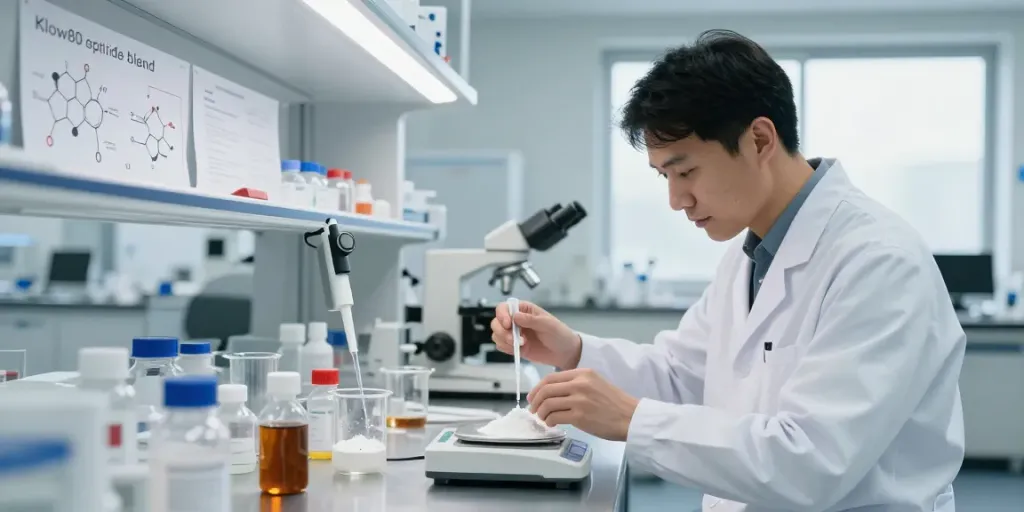
GHK-Cu, or glycyl-L-histidyl-L-lysine, is a tripeptide composed of three amino acids: glycine, histidine, and lysine, bound to a copper ion. This unique configuration enables GHK-Cu to interact with various cellular mechanisms, promoting skin repair and regeneration. Found naturally in human plasma, this peptide is part of our body's healing process, aiding in the recovery of tissues and the stimulation of collagen and elastin production. The significance of GHK-Cu in skincare lies in its ability to facilitate various physiological processes, making it a sought-after ingredient for those seeking to enhance their skin's appearance and health.
How GHK-Cu Supports Skin Health
The primary function of GHK-Cu in skincare is its ability to promote wound healing and skin rejuvenation. Research shows that GHK-Cu can significantly accelerate the healing process of skin injuries by stimulating the production of collagen and other essential proteins. Additionally, it helps reduce inflammation and oxidative stress, enhancing skin barrier function and overall resilience. These properties make GHK-Cu invaluable for individuals dealing with acne scars, fine lines, and other signs of skin aging.
The Science Behind GHK-Cu and Collagen Production
Collagen is the backbone of youthful skin, providing structure, firmness, and elasticity. GHK-Cu plays a vital role in collagen synthesis, as it activates key genes responsible for collagen production. When applied topically, GHK-Cu penetrates the skin and interacts with fibroblasts, the cells that synthesize collagen and elastin. Studies indicate that GHK-Cu can increase collagen levels by 70% in fibroblast cultures, showcasing its effectiveness. This peptide not only boosts collagen but also enhances the production of other important matrix proteins, ensuring a holistic approach to skin health.
Benefits of Using GHK-Cu in Skincare
Top Anti-Aging Benefits of Copper Peptide GHK-Cu
GHK-Cu is widely recognized for its remarkable anti-aging properties. Its ability to enhance collagen production directly combats the visible signs of aging, such as wrinkles and sagging skin. Moreover, GHK-Cu promotes cellular repair and regeneration, helping to restore youthful skin vitality. The result is a smoother, firmer complexion that exudes radiance. Consumers often report a noticeable improvement in skin texture and tone after incorporating GHK-Cu into their skincare routines.
Skin Repair and Healing Properties
Beyond its anti-aging benefits, copper peptide GHK-Cu is acclaimed for its skin repair capabilities. It accelerates wound healing by promoting the regeneration of skin cells and improving the skin's barrier function. This is particularly beneficial for individuals with breakouts or post-inflammatory hyperpigmentation. The peptide's anti-inflammatory properties further aid in calming irritated skin and reducing redness, making it suitable for sensitive skin types.
GHK-Cu for Improved Skin Elasticity
The elasticity of our skin is crucial for maintaining a youthful appearance. GHK-Cu contributes significantly to improving skin elasticity by promoting collagen and elastin synthesis. By fortifying the skin's structure, GHK-Cu helps to prevent sagging and creasing, ensuring that the skin retains its firmness and suppleness. Regular use of GHK-Cu can yield long-lasting improvements in skin resilience.
Incorporating GHK-Cu into Your Routine
Choosing the Right Products with GHK-Cu
When looking to incorporate GHK-Cu into your skincare regimen, it is essential to select high-quality products containing this peptide. Look for serums, creams, or treatments specifically formulated with GHK-Cu as a primary ingredient. Confirm that the concentration of GHK-Cu is effective, typically noted on product labels or descriptions. Brands that invest in research and formulation often provide transparency about their ingredient sourcing and concentrations.
Application Techniques for Maximum Effectiveness
To maximize the benefits of GHK-Cu, consider these application tips:
- Cleanse first: Start with a clean face to allow better absorption.
- Layering: Apply GHK-Cu products before heavier creams or oils to enhance penetration.
- Gentle Massage: Use your fingertips to gently massage the product into the skin, promoting circulation.
- Consistency: Use GHK-Cu regularly, ideally twice daily, for optimal results.
Combining GHK-Cu with Other Ingredients
GHK-Cu works synergistically with various skincare ingredients, enhancing their effects. For example, combining GHK-Cu with hyaluronic acid can provide intense hydration while promoting collagen synthesis. Likewise, pairing it with antioxidants like vitamin C can protect the skin from oxidative stress while enhancing GHK-Cu’s regenerative properties. Always perform a patch test when introducing new ingredients to ensure compatibility.
Potential Downsides and Considerations
Are There Any Side Effects of Copper Peptides?
While GHK-Cu is generally well-tolerated, some individuals may experience mild irritation or allergic reactions. It is vital to conduct a patch test before applying GHK-Cu products to the entire face. Should you notice persistent redness, itching, or discomfort, discontinue use and consult a dermatologist. Moreover, if you have a history of copper allergies or are pregnant, consult your healthcare provider before using copper peptides.
Who Should Avoid GHK-Cu?
Certain individuals should exercise caution with GHK-Cu. Those with copper allergies or conditions like Wilson's disease, which causes copper accumulation in the body, should avoid using GHK-Cu products. Additionally, individuals with very sensitive skin or existing skin conditions should consult a professional before incorporating copper peptides into their regimen to avoid potential adverse reactions.
Misconceptions About Copper Peptides in Skincare
There are several misconceptions regarding copper peptides, particularly GHK-Cu. One common myth is that they are only effective in injectable formats. While injectables can deliver potent results, topical formulations with GHK-Cu can also provide significant anti-aging benefits and skin repair. Moreover, some consumers may believe that all peptides are the same; however, the unique structure and functions of GHK-Cu distinguish it from other peptides, giving it specialized benefits for skin health.
The Future of Copper Peptides in 2026 and Beyond
Emerging Trends in Skincare Technology
The skincare industry continues to evolve rapidly, with trends leaning towards clean, biocompatible ingredients that promote health and sustainability. Copper peptides like GHK-Cu are expected to remain at the forefront of these trends, as consumers increasingly seek scientifically validated ingredients that offer tangible benefits. Advancements in delivery systems, such as nanotechnology, may enhance the effectiveness of GHK-Cu, allowing it to penetrate deeper into the skin layers.
Predicted Developments for GHK-Cu
By 2026, we can anticipate the emergence of new formulations that incorporate GHK-Cu with additional cutting-edge innovations, such as smart delivery systems or combination therapies that target multiple skin concerns. Research into the molecular mechanisms of GHK-Cu is likely to continue, unveiling even more uses for this potent peptide in areas like hair restoration and age-related conditions.
Expert Insights on Skincare Innovations
Dermatologists and skincare experts predict that GHK-Cu will become a staple in both professional settings and at-home skincare regimens. With ongoing clinical studies supporting its benefits, GHK-Cu is positioned to be a leading ingredient in anti-aging and restorative skincare. Consumers are encouraged to stay informed about new research and formulations that incorporate safe and effective peptides like GHK-Cu to maximize their skincare outcomes.